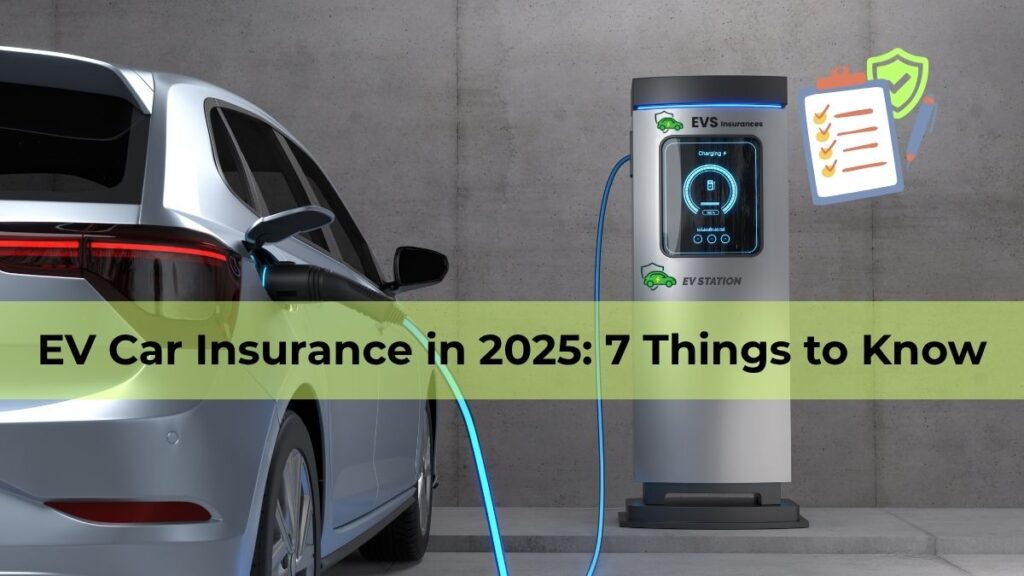
As electric vehicles surge in popularity, the demand for specialized EV insurance coverage is accelerating. With 2025 introducing new technological advancements and regulatory changes, insurers must refine strategies to attract EV drivers. This article reveals data-backed approaches to scale qualified traffic while maintaining profitability in the competitive EV insurance landscape.
Contents
Understanding EV Market Realities
EV adoption rates will reach 28% by 2025, but insurers face unique challenges: battery claim frequencies 37% higher than ICE vehicles, and specialized technicians required for repairs. Successful scaling requires acknowledging these differentiators upfront. Market saturation risk exists if you target generic auto-insurance audiences without a clear EV value proposition.
Tech-Driven Lead Generation Strategies
Deploy AI-powered chatbots on electriccharging.org and chargingstationfinder.com to capture intent keywords. Integrate car inspection APIs like CARFAX EV reports to generate instant quotes incorporating maintenance history. Leverage programmatic ads targeting smart-home owners purchasing solar panels plus EVs.
Precision Niche Audience Targeting
Target high-intent segments through: 1) State EV incentive program applicants (capture leads during rebate applications) 2) Tesla Supercharger users via payment processors 3) Corporate fleets submitting sustainability reports needing zero-emission vehicle coverage. Geo-target 5-mile radii around municipal DC Fast Chargers.
Overcoming EV-Specific Challenges
Address battery degradation anxiety through battery health reporting partnerships. Offer discounted ProNatura Parts coverage for autonomous driving systems. Mitigate range anxiety in coverage by integrating navigation data from Gaia Maps with mileage estimations tailored to weather/climate conditions.
- Tech Tip: Implement TRex BatteryAlert integration to dynamically adjust premiums based on proved battery health reports from manufacturers
- Partnership Idea: Collaborate with ChargePoint on their mobile app to offer instant insurance quotes during charging sessions
- Conversion Hack: Use interactive infographics showing 15.8% average savings on comprehensive EV premiums vs ICE coverage
Conclusion
Scalable EV insurance growth requires: 1) Hyper-specific digital footprint targeting near charging infrastructure 2) Battery health technology integrations 3) New underwriting algorithms accounting for software update costs 4) Partnerships with grid-balancing energy providers. Ignoring these creates pricing gaps against specialists.
Verify your readiness by checking these key capabilities:
- Do you integrate OEM battery health data streams?
- Can your platform adjust quotes based on real-time charger availability?
- Do you offer auto-deductible decreases for home solar + EV ownership?
- Can you demonstrate $/mile savings compared to ICE coverage?
Build your future-ready approach by auditing current infrastructure against these benchmarks.
Ready to scale? Connect with EV insurance specialists at evsinsurances.com to access emerging market insights and partnership opportunities.